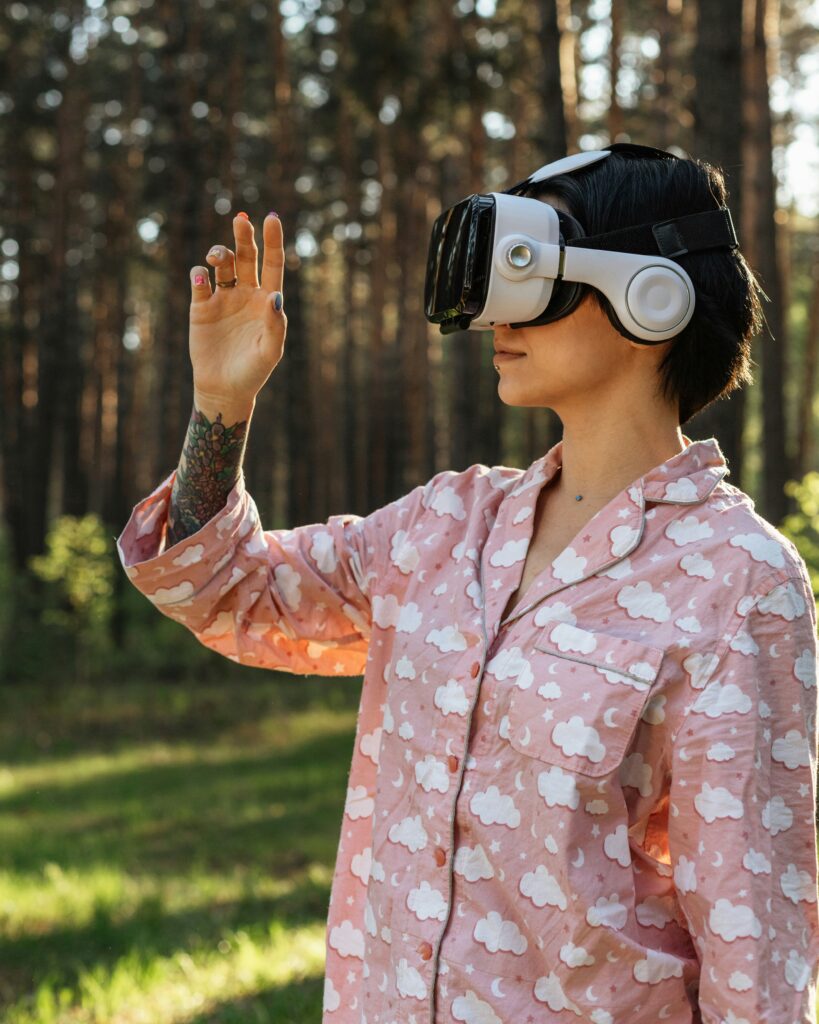
Have you ever considered the impact of virtual reality technology on the fashion industry? While VR is often associated with gaming and entertainment, it is quietly revolutionizing how we experience and consume fashion.
Imagine being able to try on clothes virtually, without stepping foot in a dressing room. That’s the future that fashion brands like Tommy Hilfiger and Dior are already exploring. By creating immersive virtual showrooms, they are giving customers the opportunity to interact with their products in a whole new way.
According to a recent report by Statista, the global virtual reality market is expected to reach $44.7 billion by 2024. This growth is driven by the increasing demand for virtual try-on experiences in industries like fashion and beauty.
As Tommy Hilfiger CEO Daniel Grieder puts it, “Virtual reality is the ultimate tool for engagement and experience.” By integrating VR technology into their marketing strategies, fashion brands are not only staying ahead of the curve but also providing customers with a more personalized and interactive shopping experience.
Beyond the fashion industry, the rise of VR in retail has broader implications for how we consume and engage with brands. As virtual reality becomes more prevalent, we can expect to see a shift towards more immersive and interactive shopping experiences across all sectors.
In conclusion, virtual reality technology is not just changing how we play games, but also how we shop for clothes. As fashion brands continue to embrace VR, we can expect a whole new world of possibilities to emerge in the way we experience and engage with fashion.