Picture this: you’re walking down the street, completely absorbed in your smartphone, when suddenly you realize you’re about to run into someone. But before you can even look up, your phone alerts you to the impending collision and gently nudges you in the opposite direction. How is this possible, you ask? The answer lies in the innovative world of haptic feedback technology.
Haptic feedback, simply put, is the use of tactile sensations to communicate information to users. While this concept has been around for years in the form of vibrating smartphones or gaming controllers, recent advancements have taken it to a whole new level. Companies like Apple and Google are now incorporating more sophisticated haptic feedback systems into their devices, making interactions more intuitive and engaging.
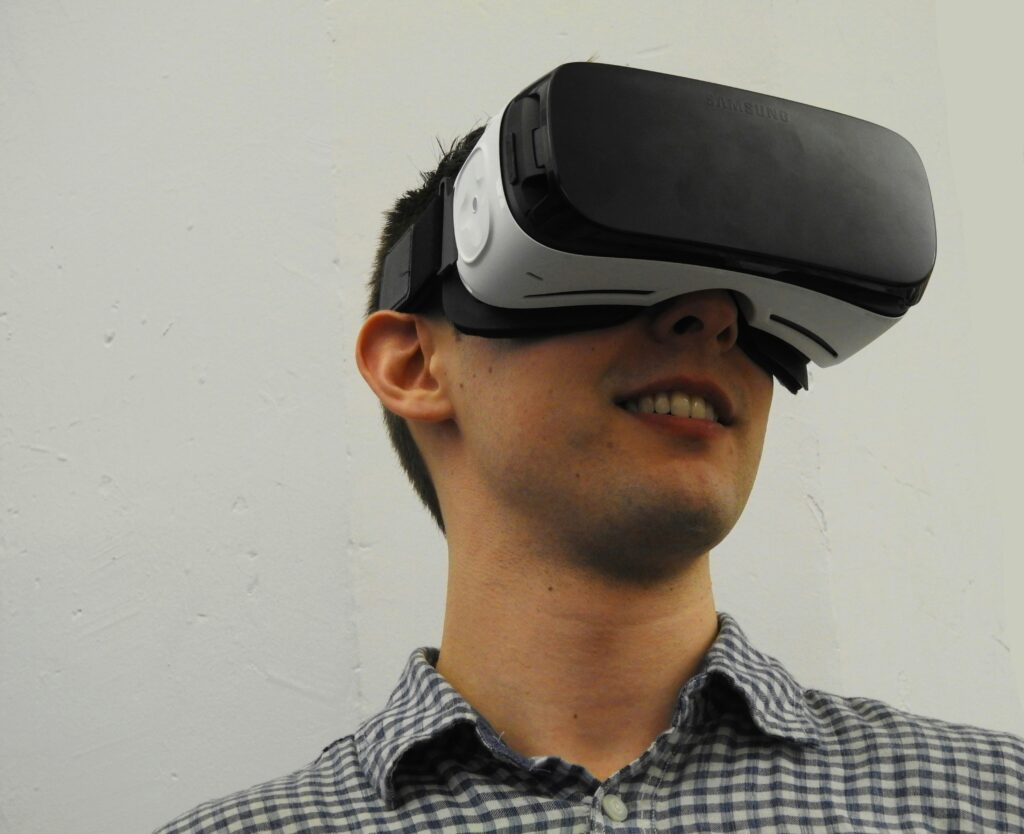
According to a recent study by Market Research Future, the global haptic technology market is expected to reach $20 billion by 2023, driven by increasing demand for virtual reality and augmented reality applications. With touch becoming an integral part of our digital experiences, haptic feedback is poised to revolutionize the way we interact with technology.
As Ben Thompson, a tech analyst, puts it, “Haptic feedback has the potential to bridge the gap between humans and machines, creating a more seamless and immersive user experience.” So next time you feel a gentle tap on your wrist or a subtle vibration in your pocket, remember: it’s not just your phone trying to get your attention, it’s the future of technology at your fingertips.