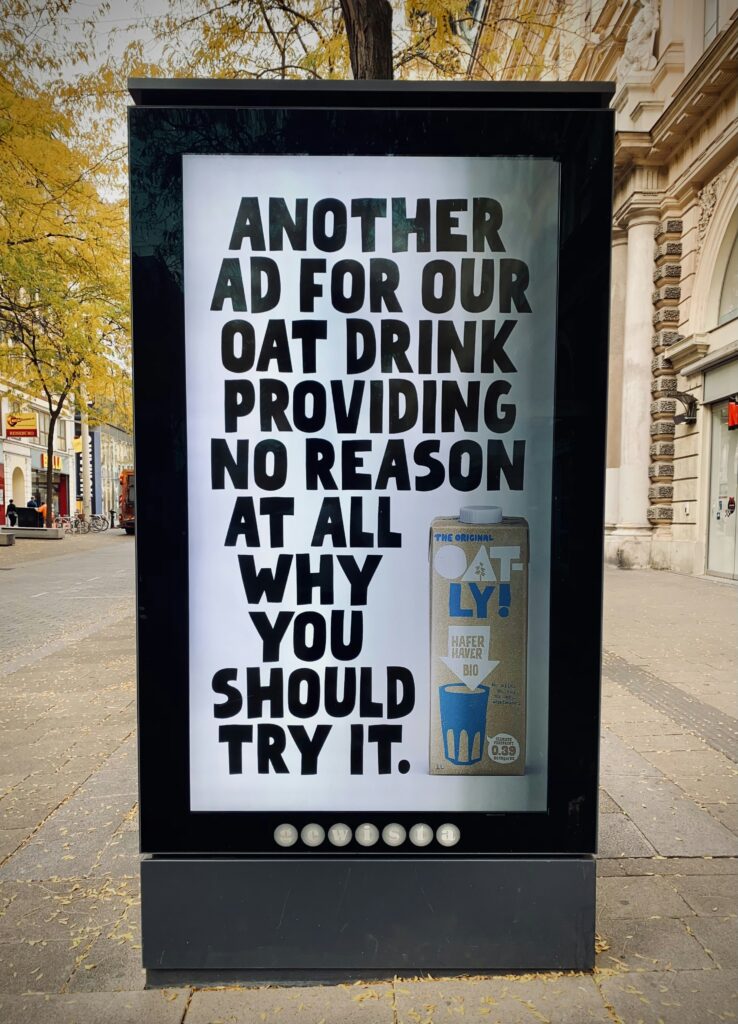
Picture this: you’re walking down the street, scrolling through your favorite social media platform on your phone, when suddenly you come across an ad for a product you were just talking about with a friend. Coincidence? Not quite. Welcome to the world of targeted advertising, where businesses are utilizing cutting-edge technology to tailor their marketing strategies to individual consumers.
With the rise of big data and artificial intelligence, companies are now able to collect and analyze vast amounts of information about our online behavior, interests, and preferences. This data is then used to create personalized ads that are designed to appeal to our specific tastes and needs. As a result, businesses are seeing higher engagement rates and increased sales, while consumers are being served advertisements that are more relevant to them.
According to a report by Statista, global spending on digital advertising is projected to reach $517.1 billion in 2023, up from $320 billion in 2019. This significant growth can be attributed in part to the effectiveness of targeted advertising in reaching and converting potential customers.
However, this level of personalization raises concerns about privacy and data security. As technology continues to advance, it is important for businesses to strike a balance between using consumer data to drive sales and respecting individuals’ right to privacy. In the end, the future of targeted advertising will rely on finding this delicate equilibrium.