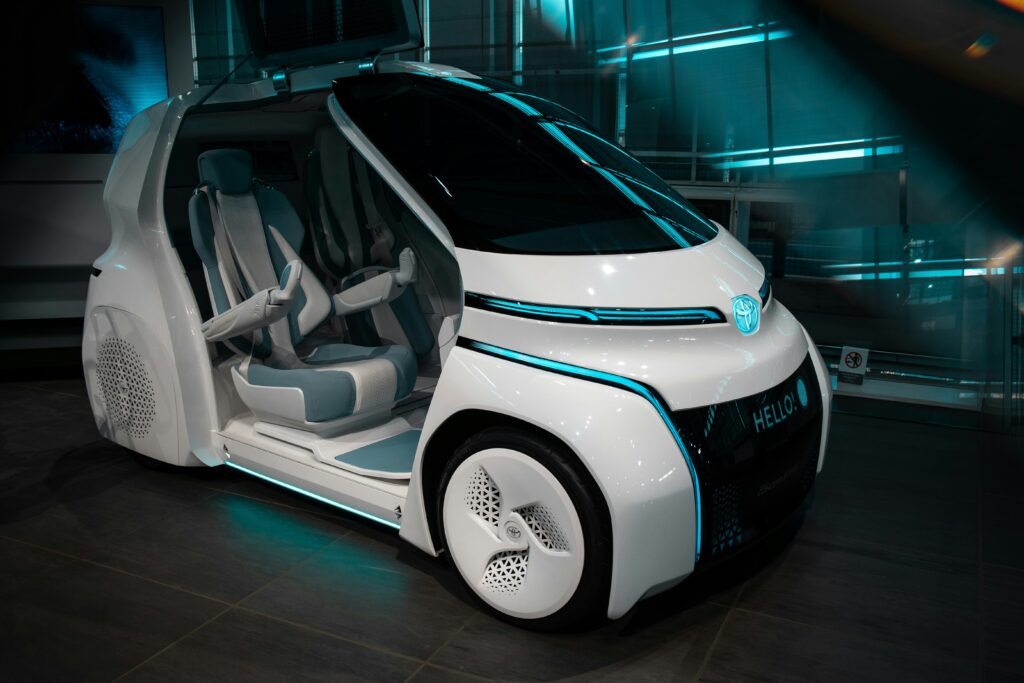
Imagine a world where your morning commute involves hopping into a sleek, self-driving taxi rather than squeezing onto a crowded train or sitting in rush hour traffic. While this may seem like science fiction, it’s actually closer to reality than you may think.
Autonomous vehicles, once a distant dream, have rapidly become a hot topic in the tech and transportation industries. Companies like Tesla, Waymo, and Uber are investing billions of dollars into developing self-driving cars, with the promise of safer roads, reduced emissions, and increased convenience.
According to a recent report by Allied Market Research, the global autonomous vehicle market is projected to reach $556.67 billion by 2026, growing at a staggering CAGR of 39.47%. This exponential growth is driven by advancements in artificial intelligence, sensor technology, and regulatory support for autonomous vehicles.
Despite the potential benefits, concerns about safety and job displacement remain prevalent. However, proponents argue that autonomous vehicles have the potential to revolutionize transportation, making it more efficient and accessible for all.
As we hurtle towards a future where self-driving cars are no longer a novelty but a common occurrence, it’s crucial to consider the societal implications of this technological advancement. From reshaping urban planning to redefining the concept of car ownership, autonomous vehicles have the power to transform the way we live, work, and move. So buckle up and get ready for the ride of a lifetime!