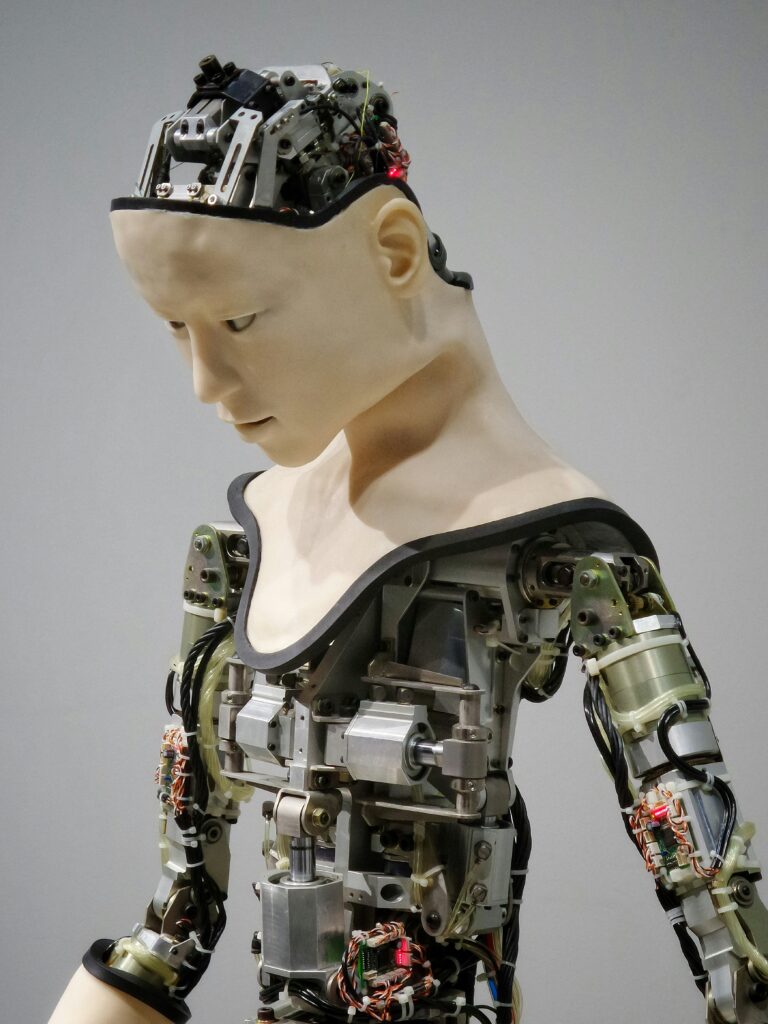
Have you ever imagined a world where robots have the power to write poetry that touches the soul? Well, it may not be as far-fetched as you think. Enter GPT-3, the latest language model developed by OpenAI that is revolutionizing the way we interact with AI technology.
With 175 billion parameters, GPT-3 is the largest language model ever created, surpassing its predecessor, GPT-2, by a wide margin. This massive neural network has been trained on a diverse range of internet text, allowing it to generate human-like text and responses with remarkable accuracy.
According to Greg Brockman, the CEO of OpenAI, GPT-3 has the potential to transform various industries, from customer service to content creation. He notes, “GPT-3 represents a significant leap forward in AI capabilities and opens up new possibilities for how we can leverage technology to enhance human productivity.”
Despite its impressive capabilities, GPT-3 is not without controversy. Some experts have raised concerns about the ethical implications of using such powerful AI systems, including the potential for misuse and the perpetuation of bias.
As we continue to push the boundaries of AI technology, it’s crucial to consider the societal impact of these advancements. How we choose to utilize tools like GPT-3 will shape the future of human-machine collaboration and determine the ethical boundaries of AI development. Ultimately, the rise of GPT-3 signals a new era in AI innovation, one that holds both promise and challenges for our evolving digital landscape.