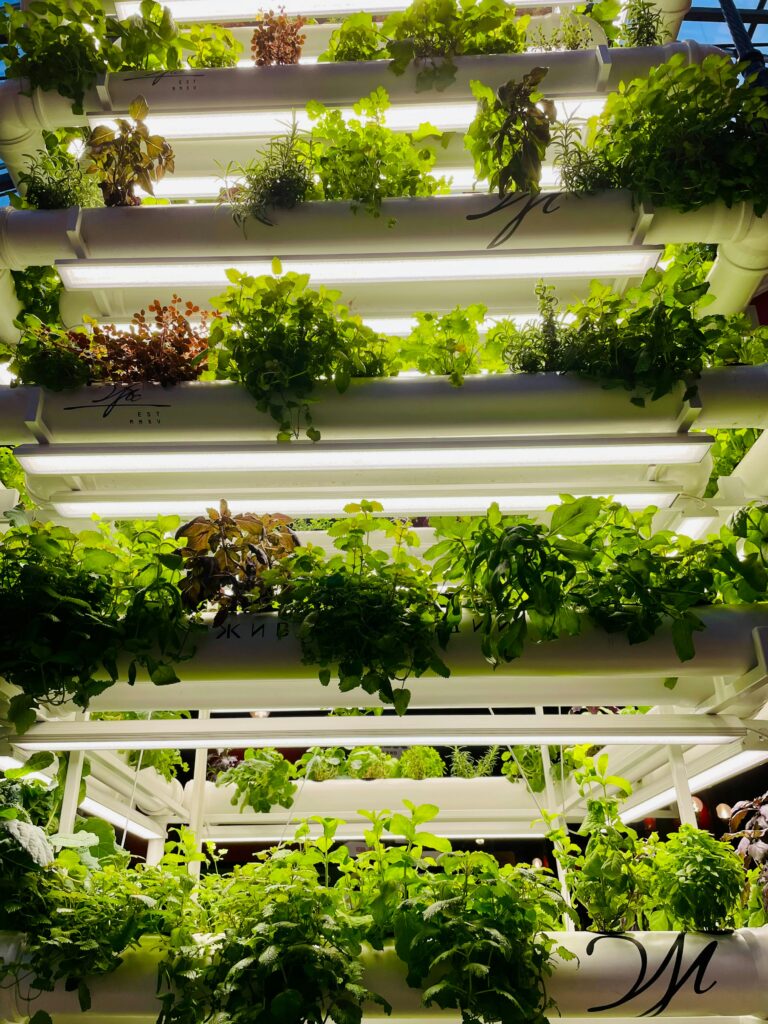
Have you ever wondered how technology is shaping the future of farming? While many may envision agriculture as a traditional industry rooted in centuries-old practices, the truth is that modern innovations are revolutionizing the way we grow our food.
Take, for example, the rise of vertical farming. This cutting-edge approach involves growing crops indoors, stacked in multiple layers, using artificial lighting and advanced climate control systems. By utilizing this method, farmers can produce higher yields in a smaller space, with less water and pesticide usage. The result? Fresher produce, reduced environmental impact, and a more sustainable future for agriculture.
According to industry experts, vertical farming is projected to be a $9 billion market by 2025, reflecting the growing demand for locally sourced, organic food. As Peter Henry, CEO of Vertical Harvest, puts it: “Consumers are increasingly conscious of where their food comes from and how it is produced. Vertical farming allows us to meet these demands while also addressing key challenges like food security and climate change.”
But this technological advancement is not just about increasing efficiency and profits—it’s about transforming the way we think about food production. By embracing innovation in agriculture, we have the opportunity to create a more resilient and inclusive food system for generations to come. So, the next time you bite into a perfectly ripe tomato grown in a vertical farm, remember that the future of farming is not just in the fields—it’s in the sky.