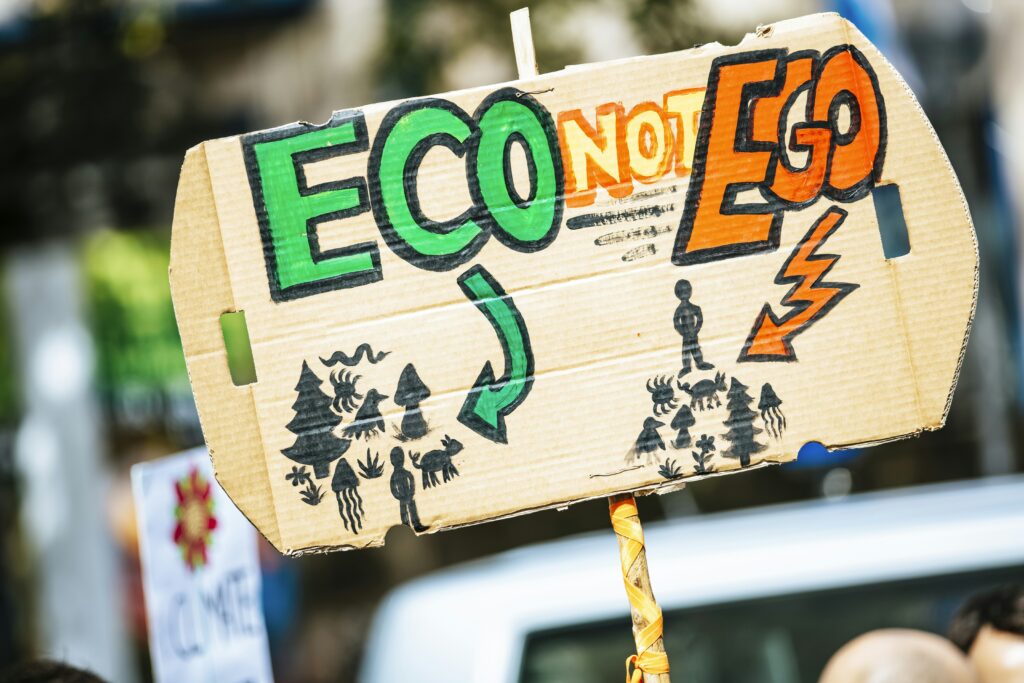
Have you ever thought about the environmental impact of your online shopping habits? As we continue to shift towards a more digitalized world, e-commerce has seen exponential growth in recent years. While the convenience of shopping from the comfort of our own homes is undeniable, the environmental cost is often overlooked.
According to a study by the UN Conference on Trade and Development, the carbon footprint of e-commerce is significantly higher than that of traditional brick-and-mortar stores. The process of manufacturing, packaging, and shipping items purchased online contributes to greenhouse gas emissions, deforestation, and waste generation.
Despite these challenges, some companies are making strides towards more sustainable practices. Amazon, for example, announced plans to achieve net-zero carbon emissions by 2040. Other businesses are exploring innovative solutions, such as eco-friendly packaging materials and carbon offset programs.
However, the responsibility does not solely fall on businesses. As consumers, we can also make a difference by supporting companies that prioritize sustainability and by making conscious choices in our purchasing habits.
In conclusion, the rise of e-commerce presents both opportunities and challenges in the fight against climate change. By raising awareness about the environmental impact of online shopping and advocating for sustainable practices, we can work towards a more eco-friendly future.