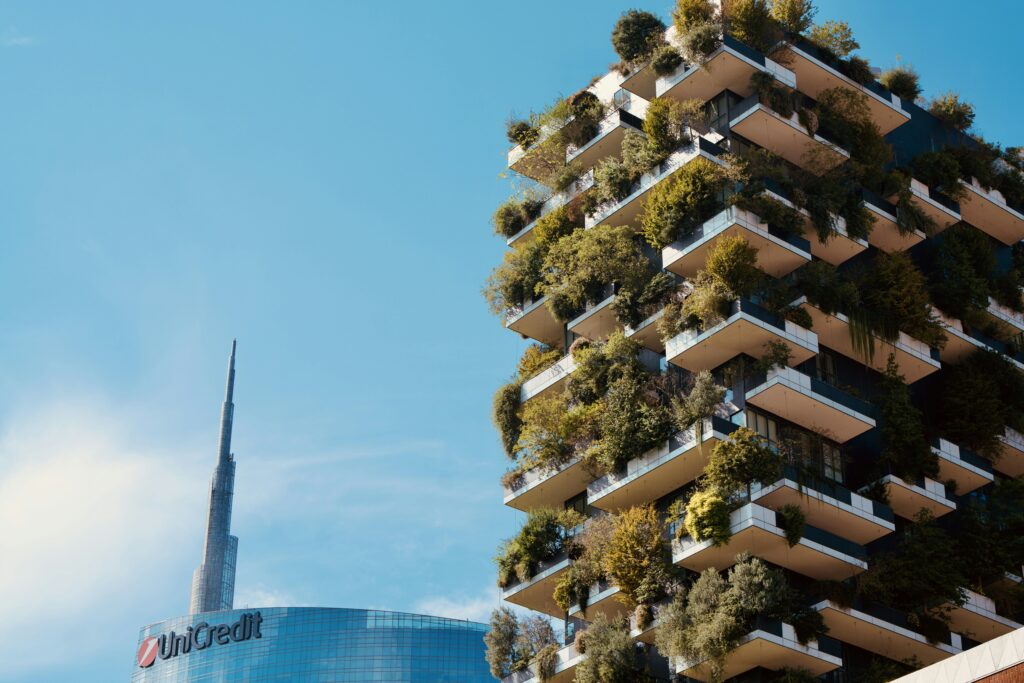
Have you ever wondered how technology is revolutionizing the way we interact with our environment? Picture this: a world where your surroundings are not just static entities, but dynamic spaces that respond to your presence and adapt to your needs. This might sound like something out of a science fiction novel, but it’s actually becoming a reality thanks to the rise of smart buildings.
Smart buildings, also known as intelligent or automated buildings, are equipped with sensors, actuators, and other interconnected devices that collect and analyze data in real-time to optimize energy efficiency, improve occupant comfort, and enhance overall safety and security. By utilizing advanced technologies such as Internet of Things (IoT), artificial intelligence, and machine learning, smart buildings can make automated decisions to adjust lighting, heating, cooling, and other systems based on factors like occupancy levels, weather conditions, and energy demand.
According to a report by MarketsandMarkets, the global smart building market is projected to reach $105.8 billion by 2024, with a compound annual growth rate of 12.4%. This rapid growth is driven by the increasing need for sustainable and energy-efficient buildings, as well as the rising demand for smart technologies in urban development.
As we move towards a more connected and intelligent world, smart buildings are just the beginning of a larger trend towards smart cities and smart infrastructure. By harnessing the power of technology, we have the potential to transform our built environment into a more efficient, sustainable, and responsive ecosystem that benefits both people and the planet. So next time you step into a building, remember that it might just be smarter than you think.