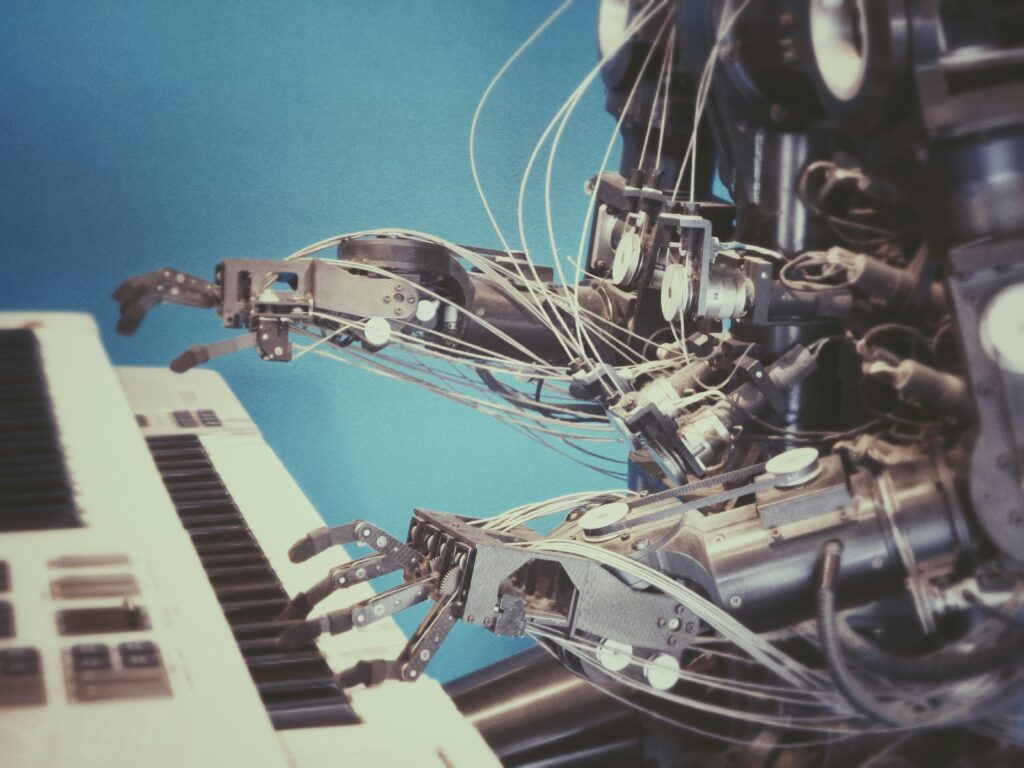
Did you know that artificial intelligence is now being used to create music? Yes, you read that right! In a world where technology continues to push the boundaries of creativity, AI algorithms are now composing original pieces of music that are indistinguishable from those created by human composers.
One company leading the way in this innovative field is AIVA, an AI music composition platform that has garnered attention for its ability to generate unique and emotive musical compositions. According to its CEO, Pierre Barreau, AIVA’s algorithms are trained on vast databases of classical music, which allows them to compose pieces in various styles with remarkable accuracy.
But how does AI music composition work, and what implications does it have for the music industry? In a recent study published in the Journal of Musical Arts, researchers found that AI-generated music is often perceived as being just as emotionally expressive as music composed by humans. This challenges traditional notions of creativity and raises questions about the role of AI in the future of music production.
As AI technology continues to evolve, we can expect to see even more groundbreaking developments in the field of music composition. While some may fear that AI will replace human creativity, others see it as a tool that can enhance and complement our own artistic abilities. Regardless of where you stand on this issue, one thing is clear: the intersection of AI and music is a trend that is here to stay.